

10 Signs Your Thyroid May Be Struggling
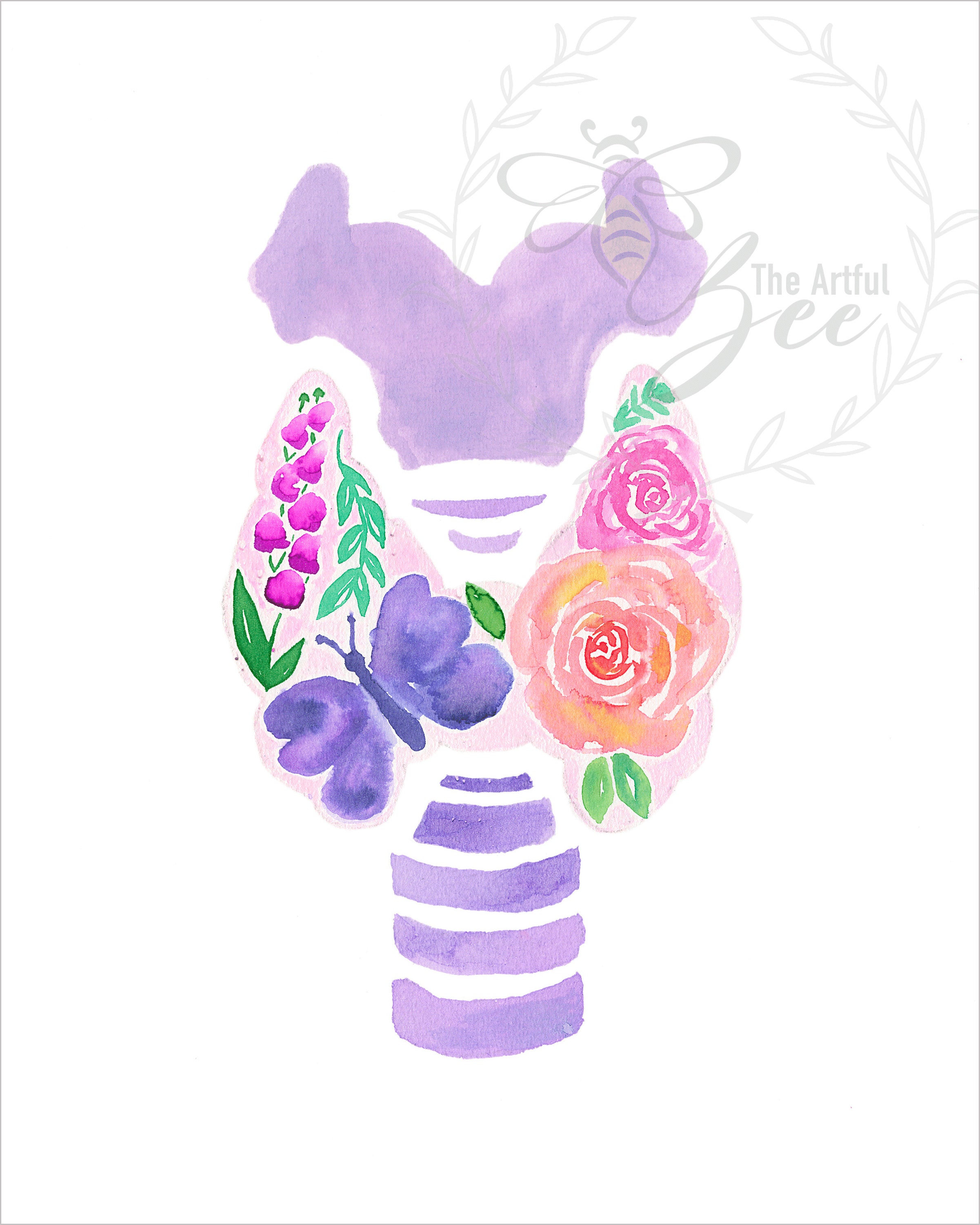
The thyroid gland is a small butterfly-shaped gland located at the base of the neck, yet it plays a crucial role in regulating metabolism, energy production, temperature balance, and many hormonal processes throughout the body.
When the thyroid is not functioning optimally, a wide range of symptoms may develop. These symptoms can sometimes appear gradually and may be mistaken for stress, aging, or other health issues.
While symptoms alone cannot diagnose a thyroid condition, recognising common patterns may help you decide whether further investigation is worthwhile.
Below are ten signs that may suggest the thyroid is under strain.
1. Persistent Fatigue
One of the most common symptoms associated with thyroid imbalance is ongoing fatigue.
People may feel:
exhausted despite adequate sleep
low in energy throughout the day
unable to recover easily from exertion
This type of fatigue may occur when thyroid hormones are not adequately supporting energy production within cells.
2. Difficulty Losing Weight
The thyroid plays an important role in regulating metabolism.
When thyroid activity slows, metabolic processes may also slow, which can make weight loss more difficult despite healthy diet and exercise habits.
Some people also experience unexplained weight gain even when their lifestyle has not changed significantly.
3. Feeling Cold More Often Than Others
Thyroid hormones help regulate body temperature and metabolic heat production.
If thyroid activity is reduced, people may notice:
cold hands and feet
intolerance to cold weather
feeling chilled when others are comfortable
This symptom can be particularly noticeable during colder months.
4. Hair Thinning or Hair Loss
The thyroid influences hair growth and follicle health.
When thyroid function is disrupted, people may notice:
thinning hair
increased hair shedding
loss of the outer third of the eyebrows
Hair changes can develop gradually and are sometimes attributed to other causes before thyroid involvement is considered.
5. Brain Fog and Difficulty Concentrating
Thyroid hormones influence brain function and cognitive performance.
Some people with thyroid imbalance experience:
difficulty concentrating
memory lapses
slower thinking
mental fatigue
This symptom is often described as “brain fog.”
6. Mood Changes
Changes in thyroid hormone levels can influence mood and emotional wellbeing.
Possible symptoms include:
low mood
irritability
increased anxiety
reduced motivation
In some cases, thyroid dysfunction may contribute to symptoms that resemble depression.
7. Changes in Skin Texture
Thyroid imbalance can affect the health of the skin.
Some people notice:
dry skin
rough skin texture
pale or dull complexion
slower skin healing
These changes may develop gradually and are sometimes attributed to aging or environmental factors.
8. Menstrual Changes
Thyroid hormones interact closely with reproductive hormones.
Women with thyroid imbalance may experience:
heavier or lighter periods
irregular cycles
worsening PMS symptoms
fertility challenges
Hormonal transitions such as perimenopause may also influence thyroid activity.
9. Neck Fullness or Thyroid Nodules
Some people notice a sensation of fullness in the neck or discover a small lump in the thyroid area.
This may be related to thyroid enlargement or the presence of nodules.
Thyroid nodules are actually quite common and are often benign. However, they should always be evaluated by a healthcare professional.
10. Symptoms Despite “Normal” Thyroid Tests
One of the most confusing situations occurs when people experience several thyroid-related symptoms but are told their blood tests are normal.
Standard tests typically measure TSH, T4 and T3, which provide useful information but may not always reflect the broader picture of thyroid health.
In some cases, factors such as nutrient status, immune activity, or metabolic influences may play a role in thyroid-related symptoms.
For example, autoimmune conditions such as Hashimoto’s thyroiditis can affect thyroid tissue long before significant hormone changes appear in standard blood tests.
Looking at the Bigger Picture of Thyroid Health
Thyroid symptoms can overlap with many other health conditions, which is why it is important not to rely on symptoms alone for diagnosis.
A comprehensive evaluation may include:
thyroid blood tests
thyroid antibody testing
ultrasound imaging when appropriate
assessment of nutritional factors that influence thyroid function
Understanding how these pieces fit together can often provide valuable insights into thyroid health.
When to Seek Professional Advice
If you recognise several of these symptoms and they persist despite lifestyle changes, it may be helpful to discuss your concerns with a healthcare practitioner experienced in thyroid health.
In my clinic I often work with people who feel their symptoms have not been fully explained by routine testing. Looking at thyroid function alongside other factors such as nutrient status, immune activity and metabolic health can sometimes provide a clearer understanding of what may be happening.
Learn More About Thyroid Health
If you would like to explore this topic further, you may also find these articles helpful:
Why thyroid symptoms can occur even when blood tests are normal
Understanding thyroid nodules
How to read your thyroid ultrasound report
These resources explain some of the most common questions people have about thyroid health.
If you would like to book an appointment with Sue to discover more about your thyroid health, please click here. Or to contact Sue, click here.