

Thyroid Support
Understanding Your Thyroid & Where to Start
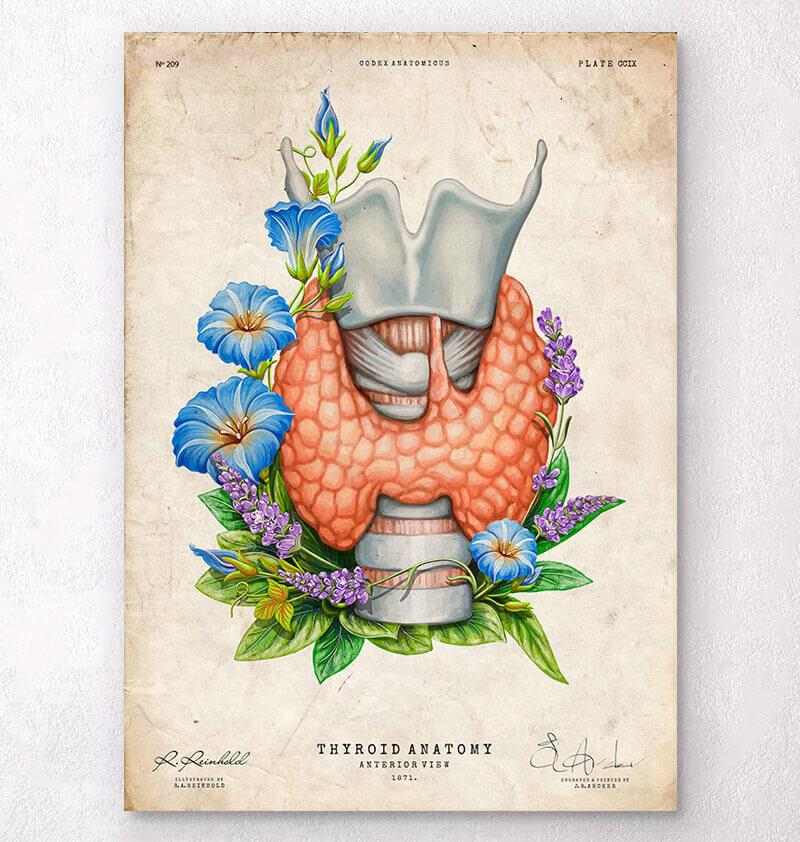
The thyroid is a small gland in the neck — but it has a powerful influence over your energy, metabolism, mood, temperature regulation, hormones and overall vitality.
If your thyroid isn’t functioning optimally, you may experience:
Persistent fatigue
Weight changes
Brain fog
Hair thinning
Dry skin
Low mood or anxiety
Sensitivity to cold
Irregular cycles
Many people are told their thyroid tests are “normal” — yet they still don’t feel well. This is where a broader, root-cause approach can be helpful.
Foundational Thyroid Support: Where to Begin
While each person’s situation is unique, there are some important foundations that support healthy thyroid function.
1️⃣ Prioritise Key Nutrients
The thyroid relies on specific nutrients for hormone production and conversion.
Important nutrients include:
Iodine – required for thyroid hormone production
Selenium – supports conversion of T4 to active T3 and immune balance
Zinc – involved in hormone signalling
Iron (ferritin) – essential for thyroid hormone synthesis
Vitamin D – plays a role in immune regulation
Magnesium – supports stress resilience and overall metabolic balance
Before supplementing, testing is recommended to determine what is actually needed.
2️⃣ Support Gut Health
The gut and thyroid are closely connected.
A large portion of thyroid hormone conversion occurs outside the thyroid gland.
Gut inflammation may influence immune activity, particularly in autoimmune thyroid conditions such as Hashimoto’s.
Nutrient absorption begins in the digestive system.
Simple starting points:
Eat whole, minimally processed foods
Include fibre-rich vegetables
Prioritise protein at each meal
Identify and address digestive symptoms early
3️⃣ Manage Stress & Nervous System Load
Chronic stress can influence thyroid hormone conversion and immune function.
Supporting your nervous system may include:
Regular sleep (7–9 hours where possible)
Gentle movement such as walking or strength training
Breathing exercises or meditation
Reducing overcommitment where practical
For many people, addressing stress patterns is a crucial part of improving thyroid-related symptoms.
4️⃣ Review Environmental & Lifestyle Factors
In some individuals, ongoing thyroid symptoms may be influenced by:
Environmental exposures (including mould)
Chronic infections
Nutrient depletion
Long-term stress patterns
Hormonal imbalances
The thyroid rarely operates in isolation — it often reflects deeper system-wide imbalances.
When Symptoms Persist Despite “Normal” Results
If you continue to experience symptoms even when standard blood tests appear within range, a more detailed investigation may be helpful.
This can include:
Full thyroid panel (TSH, Free T3, Free T4, antibodies)
Nutrient testing
Gut health assessment
Immune and inflammatory markers
Exploring the broader picture often provides clarity that basic testing alone does not.
A Thoughtful, Individualised Approach
Thyroid support is not about guessing or applying generic supplement protocols.
It involves:
Careful history-taking
Appropriate testing
Identifying patterns
Addressing underlying drivers
Supporting the body step-by-step
If you are experiencing ongoing thyroid symptoms, a tailored approach may help uncover what is contributing to your situation.